Why the Gotu Kola Embroidery Design Is More Than Just Leaves
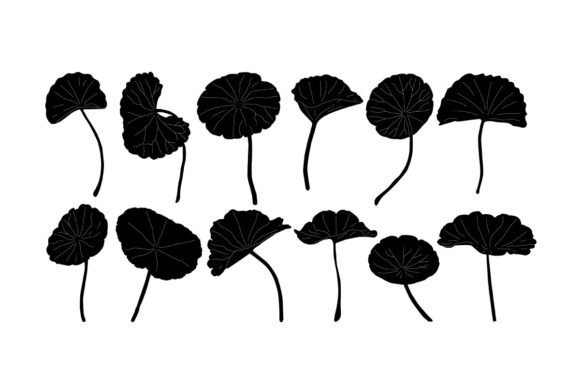
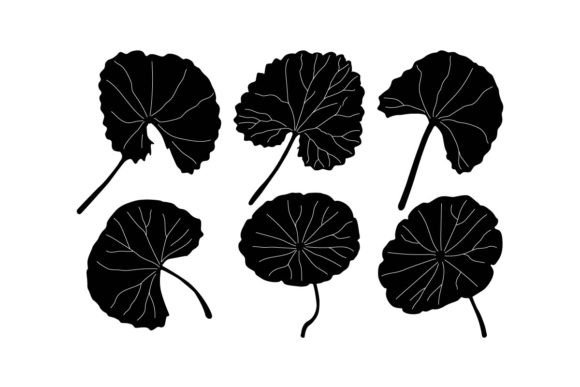
You see embroidery files every day. Some are generic, others are trendy. When I first opened Leaves We Eat As Food. Healthy Leaf, I paused. It wasn't just another botanical pattern. This design, portraying Gotu kola—also known as Pennywort or Centella asiatica—has a quiet, intelligent personality. It feels deliberate. This isn't a design you'd throw onto any random item; it's one you'd choose for a project with meaning.
The Design's Quiet Mood and Where It Belongs
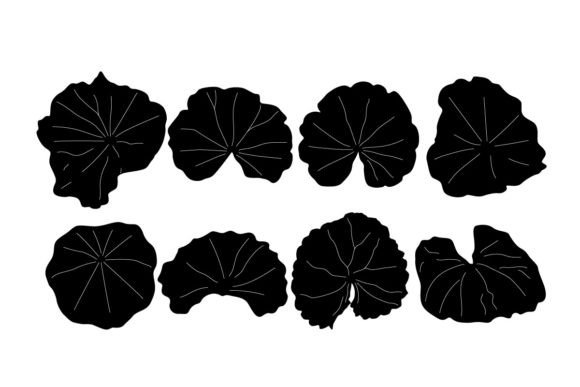
The layout is clean and graphic. The leaves are distinct, with a level of detail that suggests authenticity rather than mere decoration. It creates a mood of natural wellness and thoughtful simplicity. This immediately tells me it belongs on projects for a specific audience. Think of a custom tote bag for a yoga instructor, an apron for a herbalist's kitchen, or a linen pillow cover in a spa-like boutique. The theme connects to Ayurveda and longevity, so the final embroidered product needs to carry that narrative. It wouldn't feel right on a loud, party-themed sweatshirt, but on a minimalist organic cotton baby blanket or a heirloom-style tea towel, it would sing.
Putting It Into Stitches: A Real Project Scenario
Let's walk through a real case. Imagine you're preparing a personalized gift for a client who values herbal medicine. You're embroidering a high-quality canvas tote bag. You hoop the fabric, select your threads—perhaps earthy greens and a soft brown for the stems. As the machine runs, you watch the fill stitches build the leaf shapes. The graphic nature of the design means the satin stitch borders will likely be crisp, defining each leaf clearly. This clarity is crucial for the final product's value. When your client receives it, they won't just see "some leaves"; they'll recognize a specific, meaningful plant. That recognition builds customer trust and elevates your work from generic handmade to thoughtful craft.
How This Design Performs Across Different Products
For custom apparel like sweatshirts or t-shirts, this design offers a sophisticated alternative to florals. Its balanced detail level works well on a mid-sized area, say on a chest or sleeve. For embroidered patches, it would be excellent—the clear shapes would translate well into a standalone badge of interest. In a baby embroidery context, such as on a nursery wall hanging or a gentle kimono, it introduces a theme of natural health rather than cartoon characters. As a small shop product for an Etsy seller focusing on wellness, it aligns perfectly with brand consistency. It also has strong potential in digital product previews and printable mockups for those selling the design file itself, as the graphic style renders cleanly.
Caution Zones: Where to Be Careful
My practical judgment flags a few areas. The design appears to have some fine lines and possibly small lettering (given the names listed). On very small hoop sizes, these details might become lost or tricky. Stitching it onto textured fabrics like thick knit blankets could muddy the clarity. On stretchy fabric or thin fabric without proper stabilizer, the stitch density could cause puckering. I'd avoid very dark fabric unless you plan thread colors carefully for contrast—the design's nuance needs to pop. Embroidering on curved surfaces like caps requires meticulous hooping to keep the layout intact. And for products destined for frequent washing, like kitchen towels, ensure your thread choice and stabilizer technique are robust to maintain that handmade presentation over time.
Beyond the Stitches: Impact on Your Business
Using Leaves We Eat As Food. Healthy Leaf affects more than just the fabric. Its inherent theme boosts the giftability of your finished product. A pillow cover with this embroidery becomes a thoughtful wedding gift for a plant-loving couple. It adds a layer of professionalism to your work; it shows you curate designs with intent. For buyer engagement, this design can spark conversation—"What is that plant?"—which is a powerful tool for an Etsy seller or craft fair vendor. It supports brand consistency if your shop revolves around nature, wellness, or intelligent living.
Essential Designer Notes Before You Stitch
Always, always test the design on scrap fabric first. Use the same material you plan for the final project. This lets you review stitch density and inspect small details. Check thread color contrast against both light and dark backgrounds; I recommend testing it in black and white mockups to see the form without color bias. Confirm your hoop size can accommodate the design's dimensions comfortably. Use a proper stabilizer suited to your base fabric's texture. Crucially, check whether the design works for both personal and commercial projects. The product description mentions it's a graphics file in the patterns category, but you must confirm licensing before selling finished items or digital products. Never assume.
In the end, Leaves We Eat As Food. Healthy Leaf is a design asset with purpose. It won't be for every project, but for the right one—where mood, meaning, and craftsmanship align—it will stitch up into something quietly remarkable. Your customers will feel that, and your work will reflect it.